Many people wish for a beautiful, abundant garden that stays attractive throughout the year without requiring constant attention. Lush flowers, varied foliage, and evolving colors can fill your outdoor space while you relax on the porch with a cool drink, rather than toiling in the heat to pull weeds or water demanding plants. By making a handful of thoughtful decisions when planning and planting, you can create a landscape that flourishes with minimal maintenance. Enjoy more free time and a stunning view, all while your yard practically takes care of itself.
Choosing plants adapted to your region’s soil, rainfall and temperatures keeps maintenance chores minimal. Native species arrive on site ready to flourish. They feed local wildlife, conserve water and prevent invasive spread with very little fuss. A handful of well-loved selections can form an ecosystem that almost takes care of itself.
How Native Plants Naturally Control Your Garden’s Rhythm
- They host beneficial insects that patrol aphids before you spot damage, creating a quiet security system around blossom clusters.
- Deep root networks break hardpan soil and draw moisture during droughts, giving you resilience instead of scrambling for sprinklers.
- Seasonal color shifts follow natural cycles—seed pods in winter feed songbirds, stems turn bronze in fall, and new shoots welcome spring.
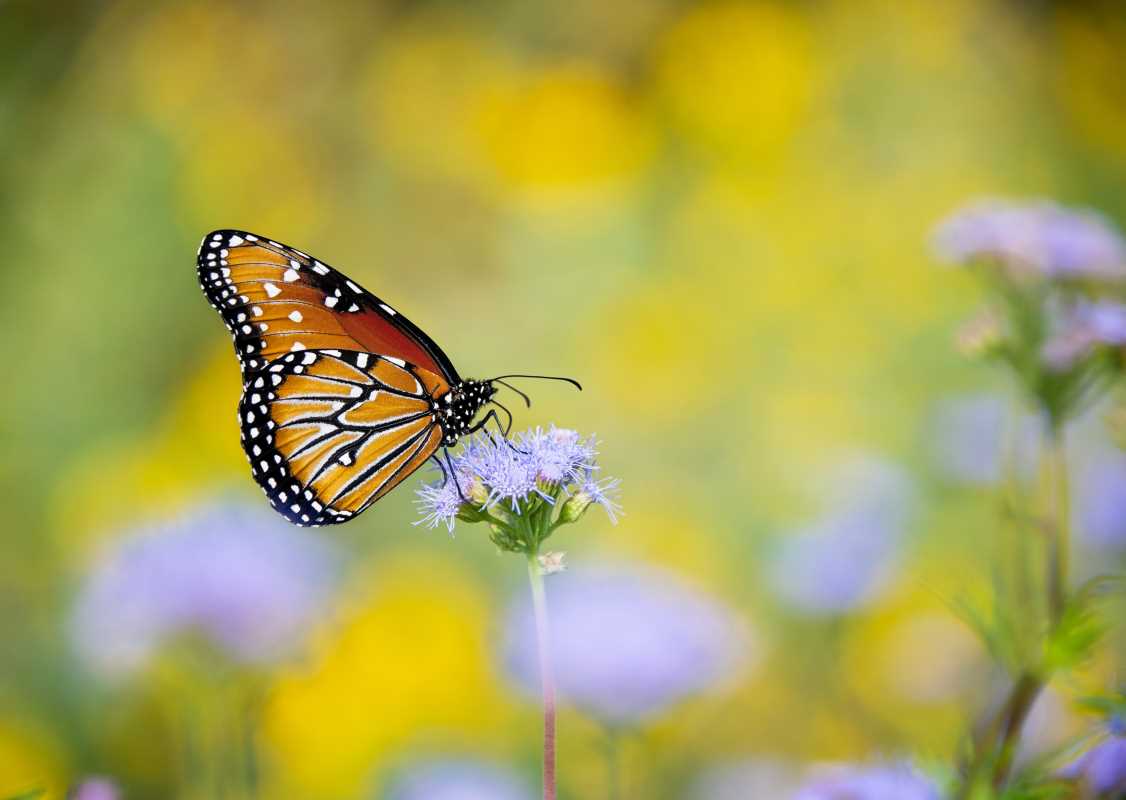
- Pollen and nectar schedules align with local pollinators, delivering a humming, buzzing soundtrack that generic annuals rarely provide.
- Native groundcovers crowd out weeds by shading the soil surface, leaving less room for uninvited plants to take hold.
Must-Have Plants for Effortless Beauty
- Echinacea purpurea – Central and Eastern North America perennial prized for its vibrant purple coneflower heads. It tolerates heat and summer drought once established. Plants cost around $10 per division at native nurseries and online. To let blooms rebloom into fall, snip spent flowers above the next leaf node. This encourages fresh petals and neat seed heads that attract finches.
- Rudbeckia hirta – Common Black-Eyed Susan thriving in meadows and roadsides across much of the US and Canada. This annual or short-lived perennial brightens borders with golden daisies. Seeds sell for under $5 per packet and sprout quickly. Trim old blossoms halfway down the stem to foster a second wave of blooms. Space plants about twelve inches apart so airflow cuts disease risk.
- Salvia nemorosa – Wood Sage native to Europe and naturalized in many US gardens under the name Meadow Sage. Its purple-blue flower spikes rise above gray-green foliage in late spring. Expect to pay about $8 per plant at local garden centers. For compact clumps, shear back one-third of the plant immediately after the first bloom. This simple cut extends flowering for six additional weeks.
- Arctostaphylos uva-ursi – Bearberry groundcover from northern states and Canada that hugs the earth with leathery leaves and pinkish urn flowers. It thrives on dry slopes and rocky gardens. Starter plugs run around $7 each and spread slowly to form a dense mat. Water lightly only during the first season, then let rainfall take over. Prune straggly runners in early spring to maintain shapely coverage.
- Festuca idahoensis – Idaho Fescue bunchgrass native to western North America, valued for fine blue-green blades and graceful clumping habit. It tolerates poor soils and requires no summer watering once settled. Small plugs cost roughly $6 apiece and link tightly into swaths when planted in groups. Remove dead tips in midwinter with hedge shears to preserve a clean look and prevent mold buildup.
Design Tips for All-Year-Long Beauty
- Balance heights by placing taller perennials like Echinacea purpurea at the back of beds and groundcovers such as Arctostaphylos uva-ursi at the front. This creates layered depth and invites the eye to travel across textures.
- Group plants in odd numbers—clusters of three or five produce a fuller look than pairs. For example, place five small Festuca idahoensis clumps together to form a waving tuft that feels natural and inviting.
- Mix bloom times so something is flowering every season. Combine spring-eager salvia spikes with mid-summer coneflowers and late-fall rudbeckias. That steady sequence keeps your landscape fresh without gaps.
- Use repeating color accents to unify beds. A handful of gold-daisy blooms echoing in multiple corners links separate flower patches in a simple way that feels intentional rather than random.
- Incorporate hardscaping elements like flagstone paths or simple gravel beds to define spaces. Native plants placed along edges soften straight lines and prevent soil wash during rain.
Plant and Care Made Simple
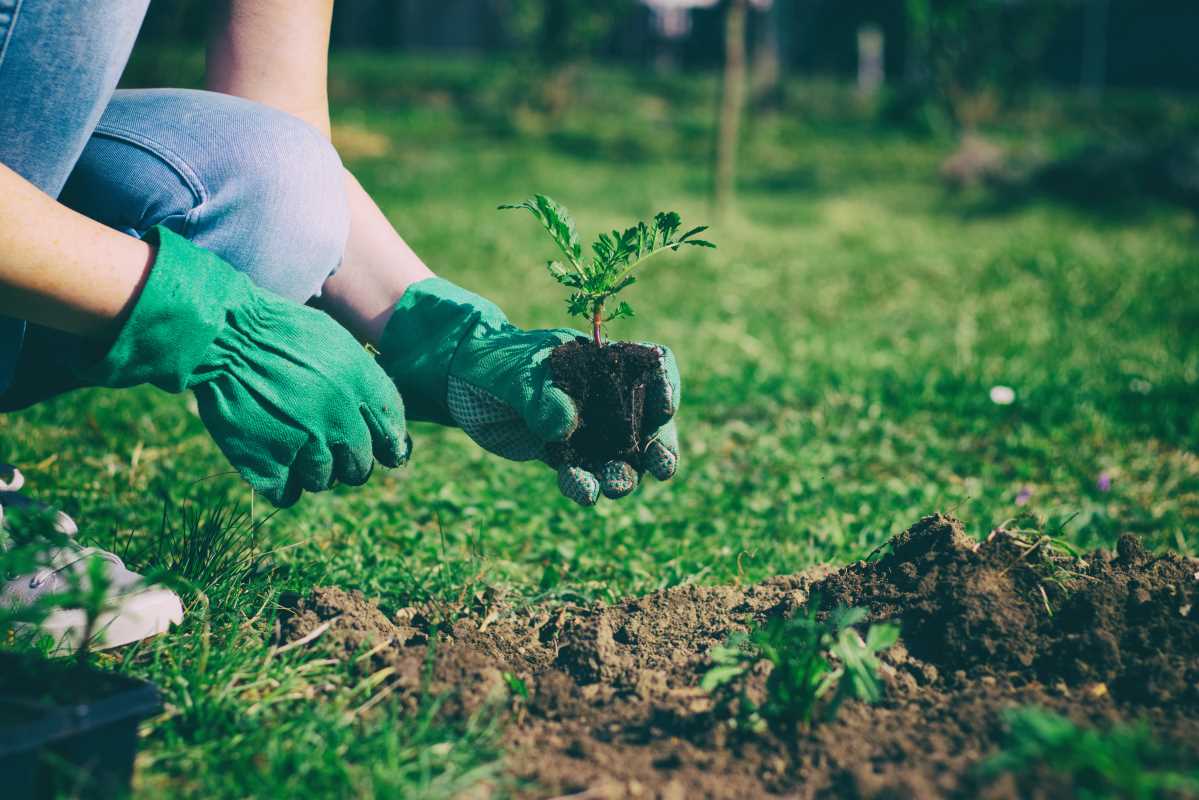
- Dig holes twice as wide and as deep as root balls, then gently tease roots to encourage outward spread. This step helps plants break free from nursery conditions quickly.
- Apply a thin layer of mulch—one to two inches of bark or gravel—avoiding direct contact with stems. This sandwich of protection keeps moisture in and weeds out without hiding tiny seedlings.
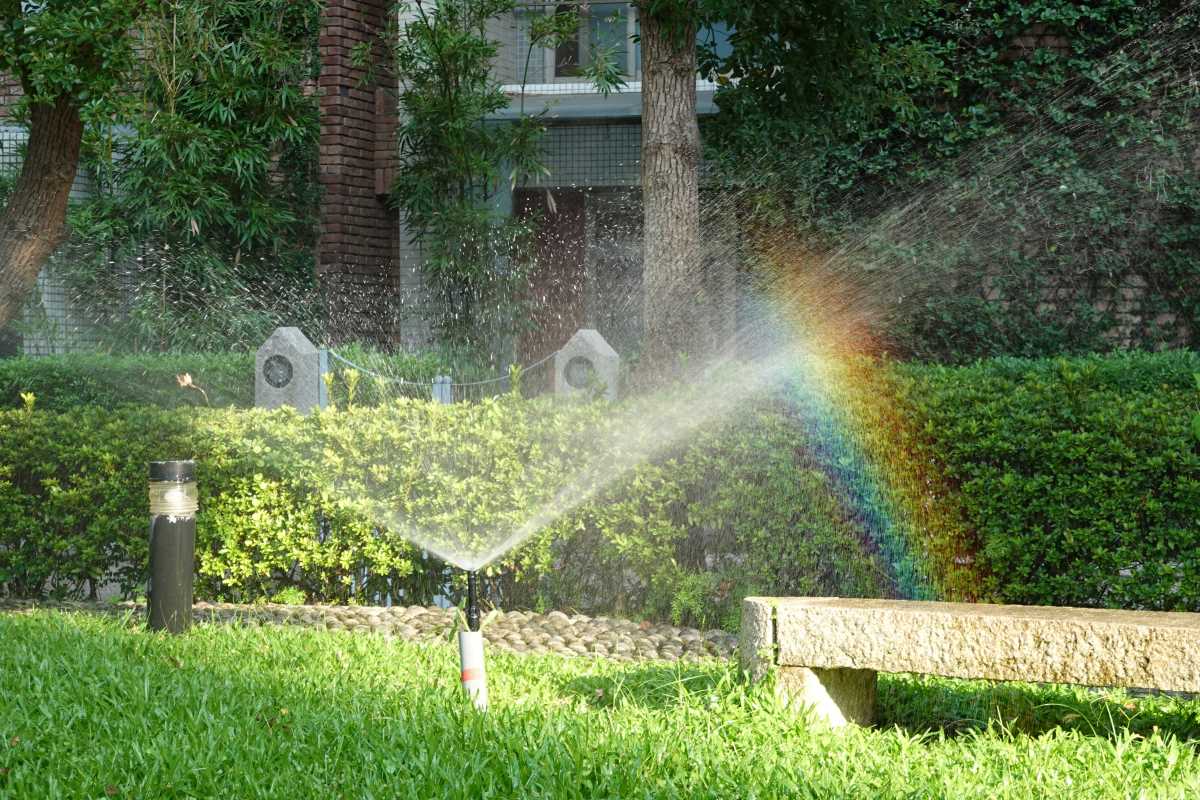
- Water new plants every three days for the first two weeks, then switch to weekly soaker sessions. After that, let rain rules take over unless you hit an extended dry spell.
- Monitor plants monthly for fallen leaves or tangled stems. Snip damaged bits to channel energy into healthy growth. This small chore prevents larger pruning jobs later.
- Keep an eye on soil pH if blooms seem muted. Most natives prefer slightly acidic to neutral conditions. A simple test kit can guide you in adding lime or sulfur in small amounts.
Your landscape stays neat and vibrant with minimal effort. Choosing the right native plants saves you time year-round.