 (Image via
Setting up your first home brings the excitement of making each space your own, and a small patio offers the perfect opportunity to grow your favorite plants. With just a few containers, you can enjoy the scent of fresh herbs, bursts of flower color, or even pick your own small vegetables. You don’t need a sprawling garden to experience the joys of planting and harvesting. Containers help you make the most of limited space, while keeping things simple and manageable. This guide shares nine practical tips designed to help anyone who’s new to gardening create a lively and inviting green corner on a modest patio.
Every tip here focuses on simple steps. You’ll learn how to pick containers, mix soil, choose plants, set up watering, and make the most of light and shade. By the end, you’ll have a container garden that looks and grows well—even if you’ve never held a trowel before.
Choose the Right Containers
- Size matters: Pick pots at least 12 inches wide for most veggies and flowers. Smaller pots dry out too fast.
- Material choice: Choose lightweight resin or plastic if you move pots often. Clay works if you keep them in one spot.
- Drainage first: Drill or buy pots with holes at the bottom. Good drainage prevents soggy roots.
- Group with style: Mix tall, short, and hanging pots to save space and add visual interest.
Try a mix of square and round pots. Square pots fit neatly along a railing, while round ones stand out as focal points. If you pick light colors, you reduce soil heating on sunny afternoons.
Use risers or small plant stands to lift some pots off the ground. This trick stops soil pests and lets air flow under the container.
Select Soil and Fertilizer
Good soil is the secret to healthy plants. Skip garden soil—it’s too heavy and may carry weeds. Instead, choose a high-quality potting mix labeled for containers. Look for one that holds moisture but still drains well.
You can blend your own mix. Stir 60% peat or coco coir, 30% perlite, and 10% compost. This combo gives water retention and air pockets for roots.
Feed your plants every two weeks during the growing season. Use a water-soluble fertilizer at half strength. Brands like Miracle-Gro or Flower Girl work well for beginners. If you want a slow-release option, top-dress pots with granules in spring.
Keep an eye on yellow leaves. They often mean nutrient deficiency. A quick foliar spray of balanced fertilizer fixes it in days.
Choose Plants Thoughtfully
- Pair sizes: Plant tall cornflowers or kale in back, medium basil or lettuce in the middle, and low marigolds or thyme in front for a layered look.
- Color mix: Select plants with different foliage and blooms. Deep purple basil next to bright yellow peppers makes a bold statement.
- Function focus: Grow herbs for cooking, edible flowers for salads, or small peppers for snacking—whatever you love most.
- Repeat key plants: Plant three to five of the same kind in each pot. This creates a full look without overcrowding.
Try pairing basil and cherry tomatoes. The basil smells wonderful and keeps pests away. For flowers, mix snapdragons with petunias for continuous color.
Don’t hesitate to experiment with one new plant each season. Take a picture of its growth. You’ll learn which ones thrive on your patio and remember their needs.
Watering and Irrigation Techniques
You need to water containers more often than in-ground beds. Pots can dry out in hours on a hot afternoon. Check soil moisture by sticking your finger an inch down. If it feels dry, water until you see runoff from the drainage holes.
Group pots with similar watering needs close together. That way, you won’t overwater some while underwatering others.
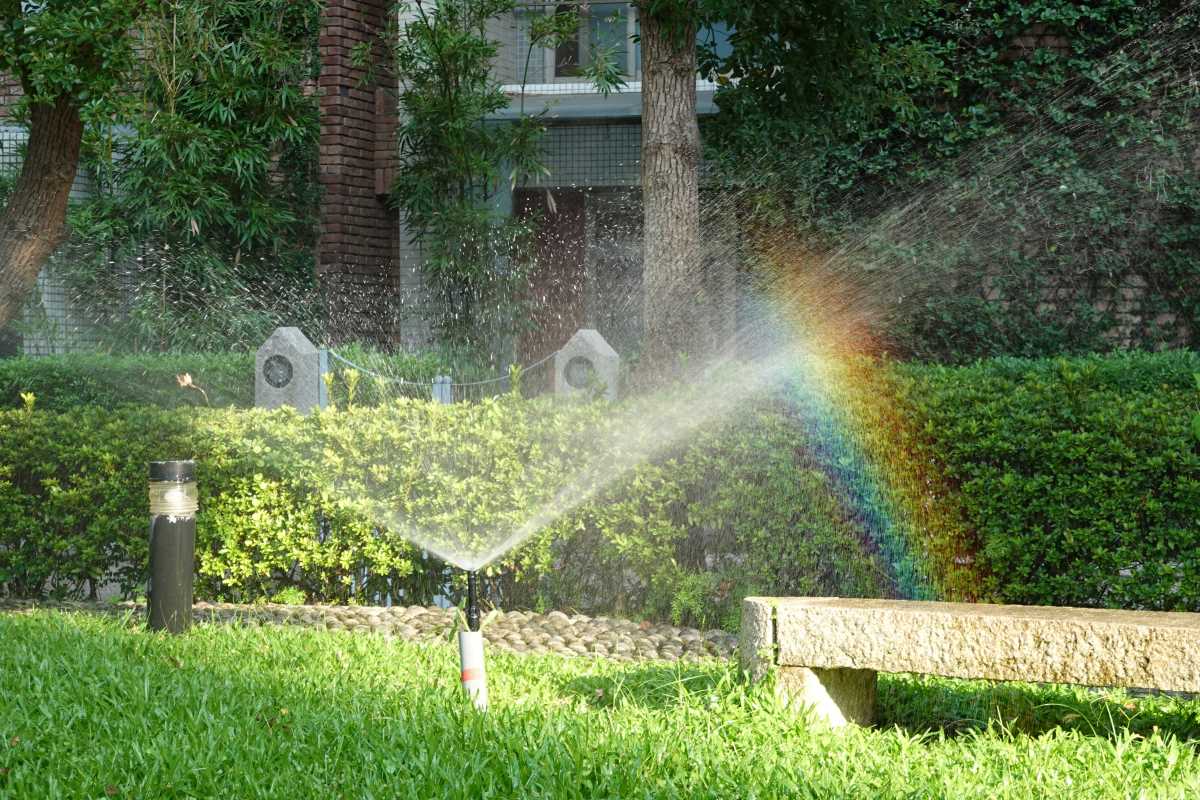
For hands-off care, install a simple drip irrigation line. You can find a kit online. Position emitters at the base of each plant and connect them to a timer. This setup fits well on a small patio. Learn how to set it up by following this solar-powered drip irrigation system. It runs on a solar timer and you’ll save hours each week.
Maximize Sunlight and Shade
Spend a few days observing your patio. Note the spots that get direct sun and those that stay shady. Most veggies need six hours of sun. Herbs thrive with four to six hours. Flowers adapt to partial shade as long as they get morning light.
If your patio only has shade, select plants like lettuce, spinach, ferns, and impatiens. They rarely wilt in low light. Adding a small mirror or reflective surface against a wall can increase brightness for a few more plants.
Move pots on rolling casters to follow the sun. You can buy plastic or metal bases with wheels at a hardware store. Slide your pots into the sunbeams without lifting heavy containers.
Set up a retractable shade cloth if the afternoon sun gets too hot. This prevents leaf scorch. Roll it down during peak heat and roll it up for morning and evening light.
Distribute your pots across steps or shelves instead of clustering them in one spot. This approach gives each plant its ideal light and makes your display more lively.
Implement these nine tips to improve your patio, allowing you to pick herbs, arrange flowers, and relax among your own greenery.