Growing a small herb garden on your patio or windowsill brings fresh flavors to your meals and adds a touch of green to your living space. With just a few pots and easy care, you can enjoy snipping basil for your pasta or adding mint to your drinks whenever you want. Even without a large yard or special equipment, you can cultivate useful and fragrant herbs right outside your door. Watching your plants grow and harvesting them for daily use makes cooking more enjoyable and connects you to the food you prepare. Enjoy the satisfaction of fresh herbs at your fingertips with just a little effort.
You’ll learn to pick spots, containers, and herbs that thrive with little fuss. You’ll find tips on soil, light, and watering that save time and keep plants healthy. By the end, you’ll have a growing setup that fits your space and your schedule.
Planning Your Compact Herb Garden
- Assess Your Light: Notice which spots get 4–6 hours of sun. A balcony might get morning rays, while a windowsill could catch the afternoon glow.
- Choose Your Budget: Pots range from budget-friendly plastic to decorative ceramic. Decide if you want to invest in long-term pots or try low-cost options first.
- Map Out Space: Sketch a simple layout. Stack pots on shelves or use railing planters. Make sure each pot has room for air circulation.
- Set a Schedule: Plan weekly checks for watering, pruning, and soil checks. A consistent time slot, like Sunday mornings, helps you stay on track.
Sketching a quick drawing helps you avoid crowded pots. You’ll see if that south-facing spot really works before you buy plants.
Picking a set schedule makes watering straightforward. You won’t forget when to do it if you attach it to your morning coffee routine.
Selecting Herbs and Containers
- Basil: A spring favorite that loves warmth. Choose a 6-inch pot with good drainage.
- Parsley: Thrives in partial shade. Use a slightly deeper pot to support its root system.
- Mint: Grows quickly and spreads. Plant mint in its own container to prevent it from overtaking neighbors.
- Rosemary: Enjoys full sun. A clay pot helps wick moisture away, preventing root rot.
Using containers with drainage holes keeps roots healthy. You can stack saucers under pots to catch extra water if you’re worried about patio drips.
Pair each herb with a pot that lets roots spread without crowding. That way, you’ll see steady growth instead of wilting leaves.
Setting Up Your Garden Space
- Gather Supplies: Pots, potting mix labeled Miracle-Gro or an all-purpose blend, a small trowel, and watering can.
- Arrange Pots: Place sun-loving herbs where they get more rays. Shelter shade-tolerant herbs behind taller pots or near a wall.
- Fill Containers: Add mix up to an inch from the rim. Firm gently so soil settles, then leave space for watering.
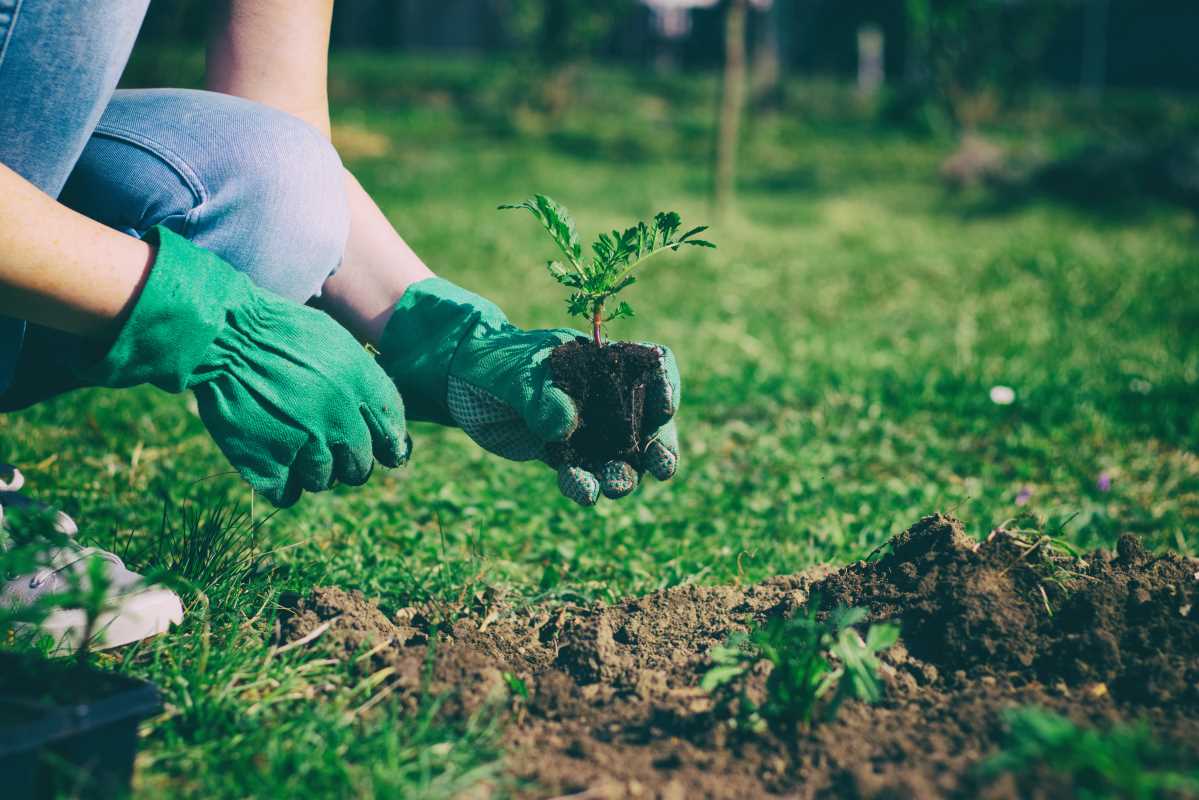
- Plant Carefully: Remove the herb from its nursery pot, loosen roots, and set it at the same soil depth. Fill gaps without burying the stem.
- Water In: Aim for moist but not soggy soil. Water until it trickles through the drainage holes.
Setting pots in a simple U-shape makes watering easier. You can reach each plant without knocking over others.
Firming the soil around each herb prevents air pockets. That helps roots take up moisture faster, so you won’t need as many watering rounds.
Ongoing Care and Maintenance
Keep an eye on moisture. Stick your finger one inch into the soil. If it feels dry, give it a drink. Early mornings are perfect for watering. The sun hasn’t baked the soil yet, so plants can absorb water before heat sets in.
Trim herbs regularly to encourage branching. When basil sends up a flower bud, pinch it off. You’ll get bushier leaves instead of tall stalks. With mint, snip the top leaves and stems to slow its spread and boost fresh growth.
Check leaves weekly for pests like aphids. If you spot small green bugs, spray them off with a gentle water stream. You can also dab leaves with soapy water, rinse after 10 minutes, and dry with a paper towel.
Every four to six weeks, feed plants with a mild liquid fertilizer. A half-strength solution keeps growth steady without burning roots. Always water first, then apply feed to avoid shocking the plants.
Harvesting and Using Your Herbs
Pick leaves in the morning after dew dries. Flavor is highest then. Grab outer stems first, leaving the center growth intact. That way, plants keep producing new leaves.
Use scissors or garden shears for a clean cut. Snipping just above a leaf node helps the plant send out new branches. You’ll get more harvests over time.
Store extra herbs by drying or freezing. Tie small bunches with string, hang them upside down in a dry room for two weeks. Strip leaves off when dry, then store in labeled jars.
For quick use, chop and place herbs in ice cube trays with a bit of water or olive oil. Pop cubes into soups, sauces, or a warm glass of water for instant flavor.
Follow a few simple steps to grow fresh herbs at home. Your garden will provide flavorful greens to enhance your cooking. Try it this weekend and see your herbs flourish.