 (Image via
Creating a garden watering system can feel straightforward when you approach it step by step. Start by planning your layout and selecting the right materials for your space. Install the components carefully, making sure each area of your garden will receive enough water. Once the system is in place, simple maintenance checks keep everything running smoothly. With this setup, you’ll reduce your water use, cut down on the time spent watering by hand, and enjoy a green, healthy yard throughout the growing season. Your garden will flourish, and you’ll appreciate the convenience every day.
Planning Your Irrigation System
First, map out the area you want to water. Sketch a simple drawing showing beds, shrubs, and lawn patches. Note where your spigot sits and how far the pipes must run.
- Measure distances to each zone to determine pipe lengths.
- Decide whether you need drip lines for plant beds or spray heads for grass.
- Choose a timer or manual valve, depending on your schedule.
Next, visualize the water flow. Check your home’s water pressure with a gauge from a hardware store. If it reads under 30 psi, stick to drip setups. Over 50 psi, add a pressure regulator.
Gathering Materials and Tools
After planning, collect everything in one trip. You’ll need:
• PVC or polyethylene tubing
• Drip emitters or spray nozzles
• Timer or manual backflow preventer
• Connectors, elbows, tees, end caps
• Pressure regulator, filter, stakes
Grab basic tools too: a tape measure, hacksaw, Teflon tape, screwdriver, shovel. Keep tape and markers handy to label each pipe for smooth installation.
Step-by-Step Installation
Start by turning off the main water supply. Attach the backflow preventer and timer at the spigot. Use Teflon tape on threads to prevent leaks.
Lay the main tubing along the planned route. Stake it every few feet to prevent shifting. For each zone, cut the tube and insert tees or elbows using goof plugs if you make mistakes.
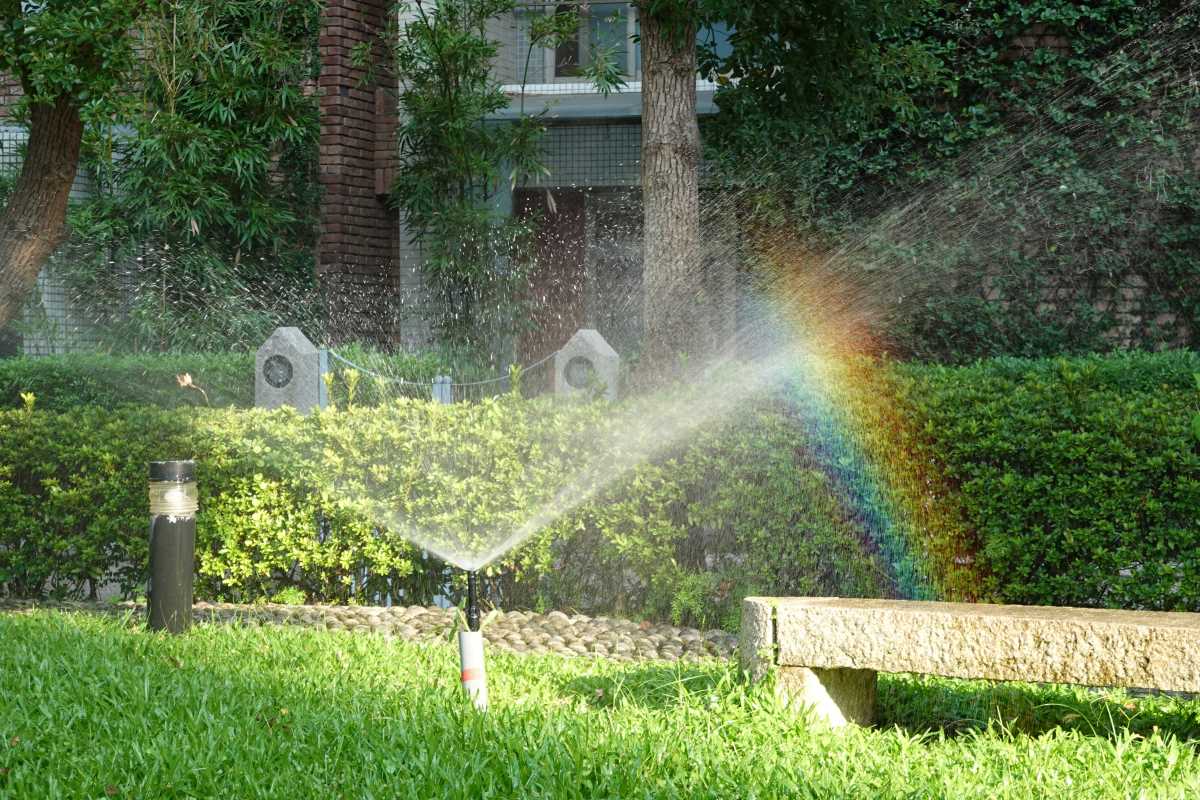
Snap in drip emitters near plant roots or screw on spray heads above lawn patches. Test-connect each piece without tightening fully until the whole run looks correct.
Testing and Adjusting Your System
Slowly turn on the water and watch for leaks. Tighten any loose connections right away. Observe each emitter or nozzle—if one drips too much or too little, swap it with a new unit matching your flow needs.
Adjust spray patterns by twisting the nozzle heads gently. For drip lines, move emitters closer to thirsty plants. Label each run with colored tape or chalk, so you know which zone covers which area.
Maintenance Tips for Year-Round Performance
- Flush lines at the start of each season: open end caps and let water run until it’s clear.
- Inspect filters monthly: rinse or replace them when you see clogs forming.
- Check stakes and connectors after storms: reset any that moved.
Before winter, drain the system completely. Disconnect the timer, open all valves, and blow out remaining water with gentle air pressure. In spring, reassemble, reset the timer, and run a full test before planting.
Cost-Saving Strategies
- Install a rain sensor. It pauses watering during rainfall and avoids waste.
- Use recycled gray water from laundry or showers for non-edible plants.
- Group plants by water needs so zones run shorter or longer depending on drought tolerance.
- Shop discounted or gently used parts from local community boards to stretch your dollar.
Following these steps ensures your irrigation system waters on schedule and keeps your plants healthy. Regular maintenance turns a simple setup into reliable, long-term gardening.