 (Image via
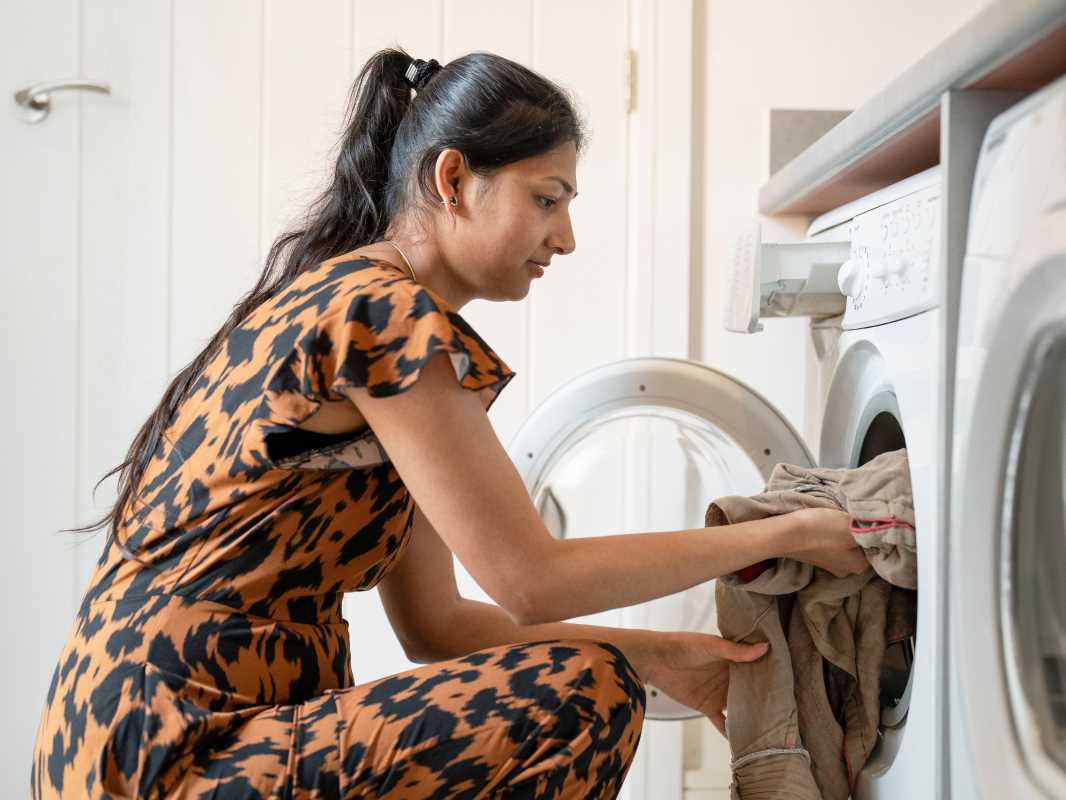
Many garages and mudrooms offer just enough space for a functional laundry area that can handle all kinds of weather. Begin by inspecting the windows and doors for any openings where air or moisture could sneak in. Applying weatherstripping or caulk will help keep your laundry appliances protected from drafts and dampness. After you’ve taken care of the seals, choose a floor paint made to resist moisture. This type of paint dries quickly and acts as a barrier, preventing water from getting underneath your washer and causing damage over time. With a few simple updates, your laundry space will stay dry and efficient year-round.
Picture a space where you run the washer and dryer side by side without worrying about leaks or cold drafts. You’ll feel confident tackling laundry even when the weather drops or spikes. By planning for moisture control now, you dodge headaches—and repair bills—later.
Weatherproofing Your Laundry Space
Choose materials that resist water and temperature swings. These basics keep walls and floors safe:
- Water-resistant paint or panels on walls
- Anti-slip vinyl or epoxy flooring
- Foam seals around doors and windows
- A drip tray under the washer
Remove old caulk around pipes and faucets. Clean the area, apply fresh silicone sealant, and let it cure. This simple step prevents small drips from rotting wood or rusting fixtures.
Install a shallow utility sink with a built-in splash guard. It handles muddy boots or hand-washed items and keeps water off the floor.
Choose Durable Materials and Fixtures
When you pick fixtures, consider how they’ll handle humidity and frequent use. Metals and plastics rated for outdoor use last longer. Compare options with a numbered list:
- Stainless steel faucets—resist rust, easy to clean, handle hot water without pitting.
- Brass valves—tolerate cold snaps and hot blasts better than cheap metal.
- PVC piping—simple to cut and install, won’t corrode where it meets concrete.
- Galvanized wire shelving—allows airflow under damp towels or mops.
For machines, look at LG and Samsung front-load models. They seal tightly during spin cycles and direct water toward the drain. Use a platform that keeps the drum level, so it doesn’t shake or shift when spinning wet clothes.
Add a retractable clothesline made from marine-grade cord. It tucks away when you don’t need it and handles damp towels without stretching or fraying.
Space-Saving Storage Solutions
Hang a magnetic drying rack on the side of your washer cabinet. It pops out for sweaters and folds flat when you’re done. Mount baskets under shelves to hold clothespins, stain remover, and dryer sheets without eating up floor space.
Think about a slim rolling cart that slides between the washer and wall. Its narrow width hides extra detergent and gives you quick access. You’ll wonder how you ever managed without that hidden storage.
Optimizing Layout and Workflow
Arrange your space so you move from sorting to washing to folding without backtracking. Place hampers near the washer door and a counter above the dryer for folding fresh loads. If possible, swap the usual positions so the washer sits at waist height on a pedestal—no bending needed to transfer laundry.
Line up hooks on the wall near the dryer to hang delicates right after they spin. A small rolling stool tucks under the counter for anyone who needs a rest mid-task. Each step flows logically, reducing wasted steps and dropped socks.
Maintenance and Seasonal Checks
Perform a few simple tasks each season so your setup remains as sturdy as when you first built it:
- Inspect seals around doors and windows for cracks and reapply caulk.
- If you connect a garden hose, drain and store it indoors before freezing temperatures arrive.
- Clean lint traps and check dryer vents for blockages that can trap moisture.
- Wipe down sink and faucet with vinegar solution to remove mineral buildup.
If you notice rust or bubbling paint on the floor, sand it smooth and repaint immediately. Detecting small issues early prevents your machines from sitting in a damp, corrosive spot later.
These upgrades ensure you complete laundry efficiently year-round, regardless of the weather. Your space works hard so you don't have to.