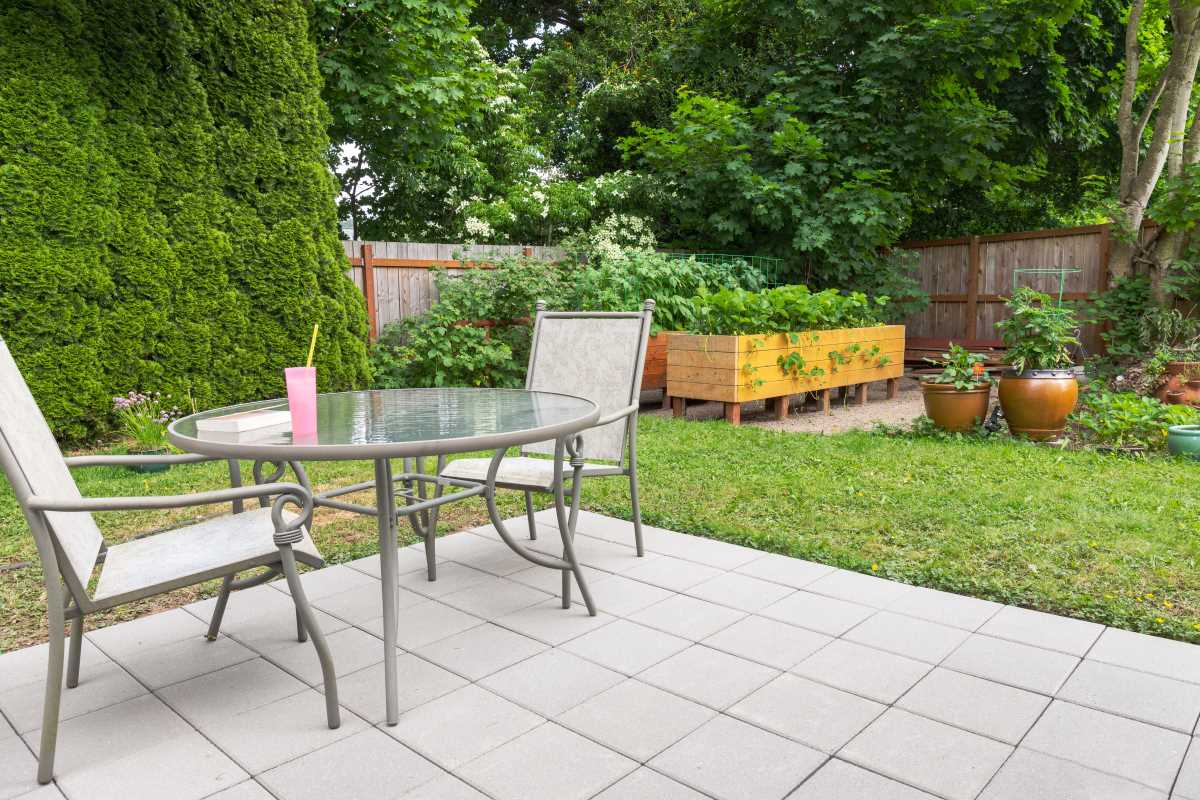
When you are scrolling through Pinterest or flipping through a glossy design magazine, it is easy to fall in love. You see a stunning rattan patio set that looks like it belongs in a boutique hotel in Tulum, or a sleek, minimalist fire pit that screams modern luxury. The aesthetic appeal is instant and powerful. You can already picture yourself hosting summer soirées and sipping morning coffee in that perfectly curated space.
But then, the practical side of your brain kicks in. "Will that rattan survive a rainy November?" "Will that fire pit rust after one winter?"
This is the classic tug-of-war in the world of outdoor living: Longevity vs. Aesthetic Appeal. For years, homeowners have often felt forced to choose between style and substance. Do you buy the beautiful, delicate piece that makes your heart sing but might fade in two years? Or do you opt for the chunky, indestructible option that isn't exactly a looker but will outlive us all?
The good news is that the landscape is changing! Let’s dive into this debate, explore how technology is bridging the gap, and help you make the best choices for your outdoor oasis.
The Classic Dilemma: Beauty vs. The Beast (of Weather)
Outdoor products face a brutal reality that indoor furniture simply doesn't understand. They are engaged in constant combat with UV rays, rain, snow, humidity, and fluctuating temperatures.
Historically, materials that looked the most natural and beautiful—like untreated teak, natural wicker, or soft cotton fabrics—were the most vulnerable. They required constant maintenance (oiling, sealing, covering) to keep their looks. On the flip side, the materials that could withstand the apocalypse—like heavy-duty recycled plastics or powder-coated steel—often lacked the warmth and texture that make a space feel inviting. They were functional, sure, but they didn't exactly scream "cozy sanctuary."
This trade-off creates a tricky decision matrix for consumers:
- The Aesthetic Route: Prioritizes trends, colors, and textures. High visual impact, but potentially higher maintenance and shorter lifespan.
- The Longevity Route: Prioritizes material integrity and weather resistance. Lower maintenance, often higher initial cost, but historically limited in style options.
Common Battlegrounds in Your Backyard
To understand this trade-off better, let’s look at three key areas where this debate usually plays out.
1. Outdoor Furniture: Wicker vs. Resin
Natural wicker is undeniably gorgeous. It has a texture and organic feel that adds instant charm. However, natural wicker is notorious for becoming brittle and cracking when exposed to the elements.
- The Compromise: High-quality synthetic resin wicker. Modern versions are incredibly convincing, mimicking the variation and texture of natural vine, but they are wrapped around rust-proof aluminum frames. You get the "look" without the heartbreak of finding your chair unraveling after a storm.
2. Decking: Real Wood vs. Composite
There is nothing quite like the warmth and smell of a real cedar or redwood deck. It’s the gold standard for aesthetics for many purists. But real wood demands annual staining, sealing, and eventually, replacing rotted boards.
- The Compromise: Composite decking has come a long way from the "plastic-looking" planks of the early 2000s. Today's composites feature realistic wood grain patterns, variegated colors, and a durability that real wood can't touch. You sacrifice a bit of that authentic "feel" for a deck that won't give you splinters or need sanding every spring.
3. Garden Decor and Textiles
We love adding throw pillows, rugs, and decorative planters to make the outdoors feel like an extension of the indoors. But standard fabrics fade and rot quickly outside.
- The Compromise: Solution-dyed acrylic fabrics (like Sunbrella) have revolutionized this space. The color goes all the way through the fiber, not just on top, meaning it resists fading for years. You can now have bright, patterned cushions that look interior-design-worthy but act like survival gear.
Bridging the Gap: The Tech Revolution
Here is the most exciting part: you don't have to compromise nearly as much as you used to! Manufacturers have heard our pleas for "beautiful durability."
- Material Science Magic: We are seeing aluminum that is painted to look exactly like wood (heat transfer printing), concrete tables that are lighter and less prone to cracking (glass-fiber reinforced concrete), and rugs made from recycled plastic bottles that feel soft underfoot.
- Modular Design: Many modern durable brands are embracing modular designs. This allows you to replace just one damaged part—like a cushion cover or a single armrest—rather than tossing the whole furniture set. This is a win for both longevity and keeping your aesthetic fresh.
How to Shop Smarter: Your Action Plan
So, how do you navigate the aisles (or browser tabs) to find that sweet spot? Here are actionable tips to help you balance your desire for beauty with the need for performance.
- Know Your Zone: Be realistic about your climate.
- High Sun: Prioritize UV-resistant materials like solution-dyed acrylics and avoid dark metals that will get scorching hot.
- High Moisture/Rain: Avoid natural wood unless you love maintenance. Opt for aluminum (which doesn't rust) or marine-grade polymers.
- Windy Areas: Skip the lightweight aluminum or plastic; go for heavy teak or wrought iron that won't blow into your neighbor's yard.
- Check the "Bones": Don't just look at the pretty cushion. Look underneath.
- For woven furniture, look for a powder-coated aluminum frame (avoids rust) rather than steel.
- For wood furniture, check for mortise-and-tenon joinery, which holds up better than glue and screws over time.
- Calculate the "Cost Per Year": A $400 aesthetic set that lasts two years costs you $200/year. A $1,200 durable set that lasts 10 years costs you $120/year. Sometimes, the "expensive" durable option is actually the cheaper choice in the long run.
- Maintenance Reality Check: Be honest with yourself. Will you actually oil that teak table every six months? Will you bring the cushions inside every time it rains? If the answer is "probably not," lean towards durability over high-maintenance beauty. There is nothing aesthetically pleasing about a mildewed chair!
- Read the Warranty: A brand that offers a 5-10 year structural warranty believes in their product's longevity. A 1-year warranty is often a red flag that they prioritize style over substance.
Design Your Perfect Balance
Ultimately, the "right" choice depends on your lifestyle. Maybe you are okay with replacing inexpensive, trendy throw pillows every season to keep your look fresh, but you want a dining table that will last a decade. That is a perfectly valid strategy!